Bamboo Biryani: Why We Steam Our Rice Inside a Log
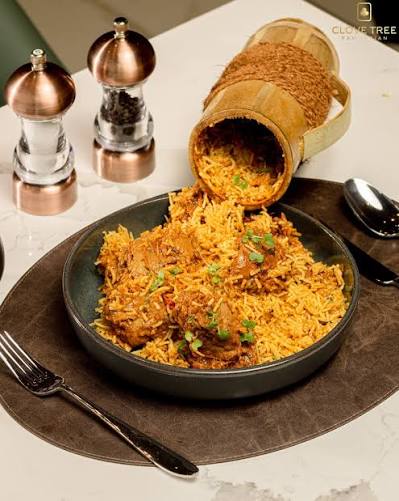
The first time you see bamboo biryani arrive at a table, you notice the vessel before the food. A short, thick length of green bamboo, still smelling of forest, with one end plugged by a folded banana leaf. The server splits it lengthwise at the table and the rice inside is fragrant with something you can't quite place — green, citrusy, faintly grassy. That is the bamboo doing its work.
The dish belongs, originally, to Kerala's forest-tribe cookery. Adivasi communities in the Western Ghats have long cooked rice, meat and root vegetables inside freshly cut bamboo internodes — the bamboo is watertight, insulating, and free. Set the loaded bamboo over a low fire and the sap inside the wall seeps slowly into the food, seasoning it as it steams. No pot, no seal of dough, no gasket. The forest provides the cooker.
Malabar chefs in Wayanad and Malappuram picked up the technique in the 2010s and moved it into biryani. The method is fussier than it looks. The bamboo has to be young and green — dried bamboo cracks under heat and adds no aroma. The internode is scrubbed inside, brushed with ghee, and then packed in the same order as any dum biryani: parboiled kaima rice on the bottom, thick masala meat in the middle, more rice on top, a scatter of fried onions, cashews and a splash of rose water. A banana leaf plug goes in the mouth, tied down with jute string, and the whole thing is laid over embers, rotated every ten minutes.
What you get after 40 minutes is a biryani that tastes structurally different from anything cooked in metal. The bamboo gives the rice a light bitterness at the edge — the way a good sencha tea does — and cuts through the ghee and shallot sweetness at the centre of the dish. The banana leaf plug adds its own grassy note from the top. Nothing is smoked; there is no charring. The perfume is entirely from the vessel.
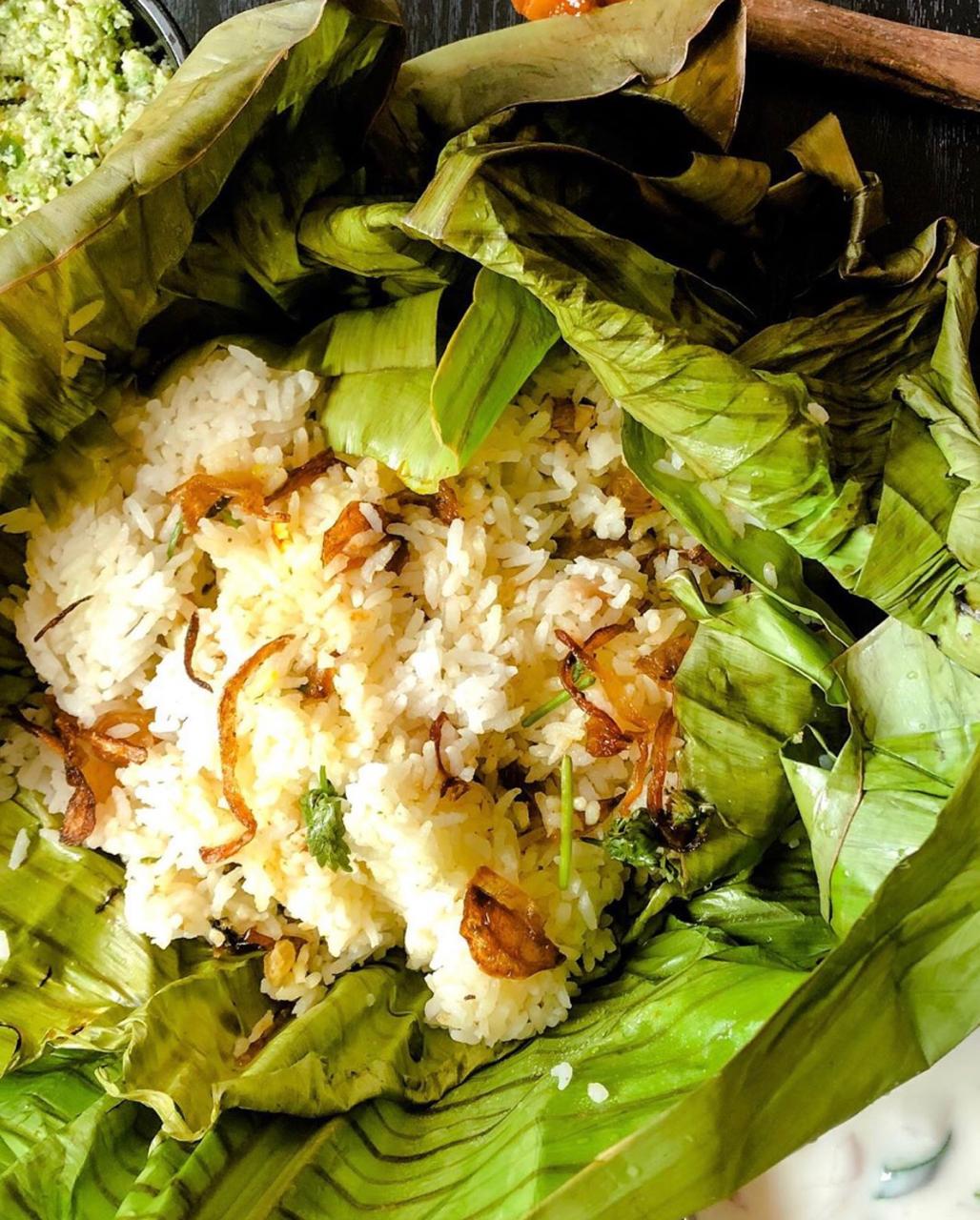
At Café Malabar we cook Bamboo Biryani to order in half-lengths of imported green bamboo, sealed with fresh banana leaf, then split at the table so you get the full theatre. It sits on the menu alongside our Signature Dum Biryani and Kizhi (banana-leaf parcel) Biryani — three ways of steaming the same base rice, each of them tasting distinctly of its wrapper.
A last word of practical advice. Bamboo biryani takes longer than any other item on the menu — usually 40 minutes from order to table. It's not a solo lunch dish. It's a Friday-night, table-of-four, one-more-round-of-chaya dish. Order it when you have time to watch the bamboo arrive, and time to keep talking after it's opened.
Key facts
- Origin
- Kerala forest-tribe cookery, revived in Wayanad & Malappuram
- Cook time
- 35–45 minutes over indirect heat
- Vessel
- Fresh green bamboo, sealed with banana leaf
- Signature note
- Bamboo sap — green, citrus-adjacent
Frequently asked
Does the bamboo actually flavour the rice?
Yes — fresh green bamboo releases its sap when heated, and the sap adds a green, citrus-adjacent note to the rice. Dried bamboo has no such effect.
Is the bamboo reused?
No. Bamboo biryani is cooked in a fresh length of green bamboo each time. It's a single-use vessel, cracked open at the table.
How is bamboo biryani different from kizhi biryani?
Both are wrapped-steam biryanis. Bamboo uses a rigid bamboo log; kizhi uses a soft banana-leaf parcel. Bamboo is greener and grassier; kizhi is more herbaceous.
How long does bamboo biryani take to prepare?
About 35–45 minutes from order, because the bamboo has to steam over indirect heat. We recommend ordering it early in your meal.
Come taste it
Ready to eat with us?
Explore the full Malabar menu or WhatsApp us to reserve a table at 142 Arab Street.
Or call +65 8133 5071