Where Malabar Meets Arab Street: The Story Behind Our Name
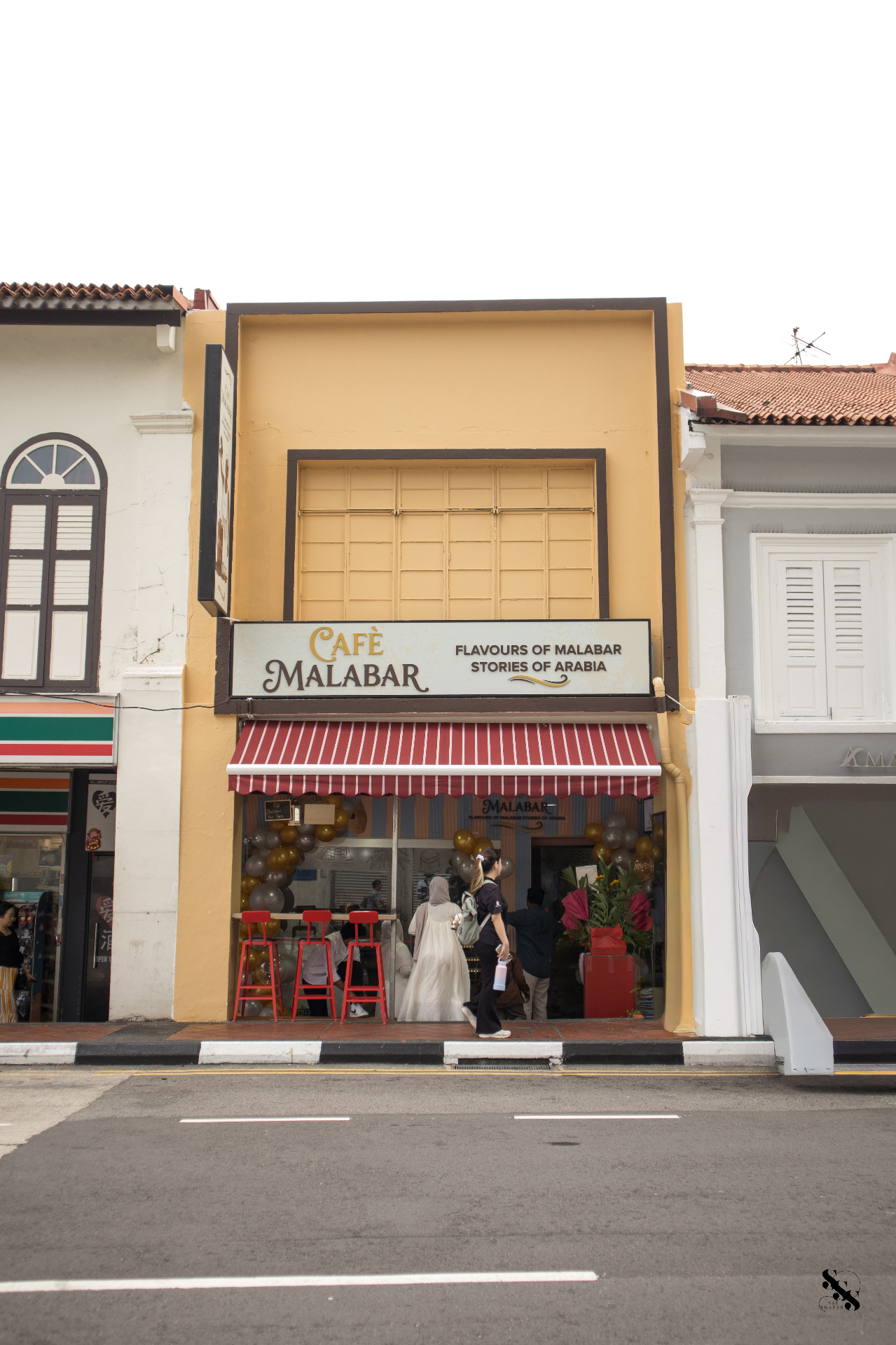
Walk down Arab Street today and you'll pass fabric shops, coffee houses and the shadow of the Sultan Mosque rising above the shophouses. What you may not realise is that the street's name and the food we serve at Café Malabar are woven from two migration stories that met, quietly, in Singapore.
In 1822, Sir Stamford Raffles' Jackson Plan divided early Singapore into ethnic quarters. Kampong Glam was set aside for the Sultan and his followers, and for the Arab, Malay and Bugis traders whose dhows had already been calling at the port for generations. Arab Street was drawn onto that plan as the spine of this quarter — a marketplace of textiles, perfumes and prayer beads that still hums with the same trades two centuries later.
A short walk away, another name appears on the map: Malabar Street. It commemorates the Malabar Muslims of Kerala's south-west coast, who began arriving in Singapore in the 1800s as traders, sailors and craftsmen. They built a community around Rochor and Kampong Glam, opened tea shops and rice kitchens, and helped fund the Malabar Muslim Jama-Ath Mosque on Victoria Street — one of the few mosques in the world dedicated to a single migrant community.
Kerala's Malabar coast, stretching roughly from Kasaragod down to Kollam, has been a spice port since long before Singapore existed. Arab dhows carried pepper, cardamom and ginger from Calicut and Cochin to the Gulf and back, and with the trade came language, faith and food. The biryanis, hummus-and-beef plates and pulled tea we cook today are direct descendants of that centuries-old exchange between the Malabar Coast and the Arabian Peninsula.
So when we chose to open Café Malabar at 142 Arab Street, it was not a marketing pun. It was a homecoming. On one side of us, the descendants of Arab and Bugis traders still run their shops. A few streets over, the road named after the very community our kitchen belongs to still stands. We cook, quite literally, where those two histories meet.
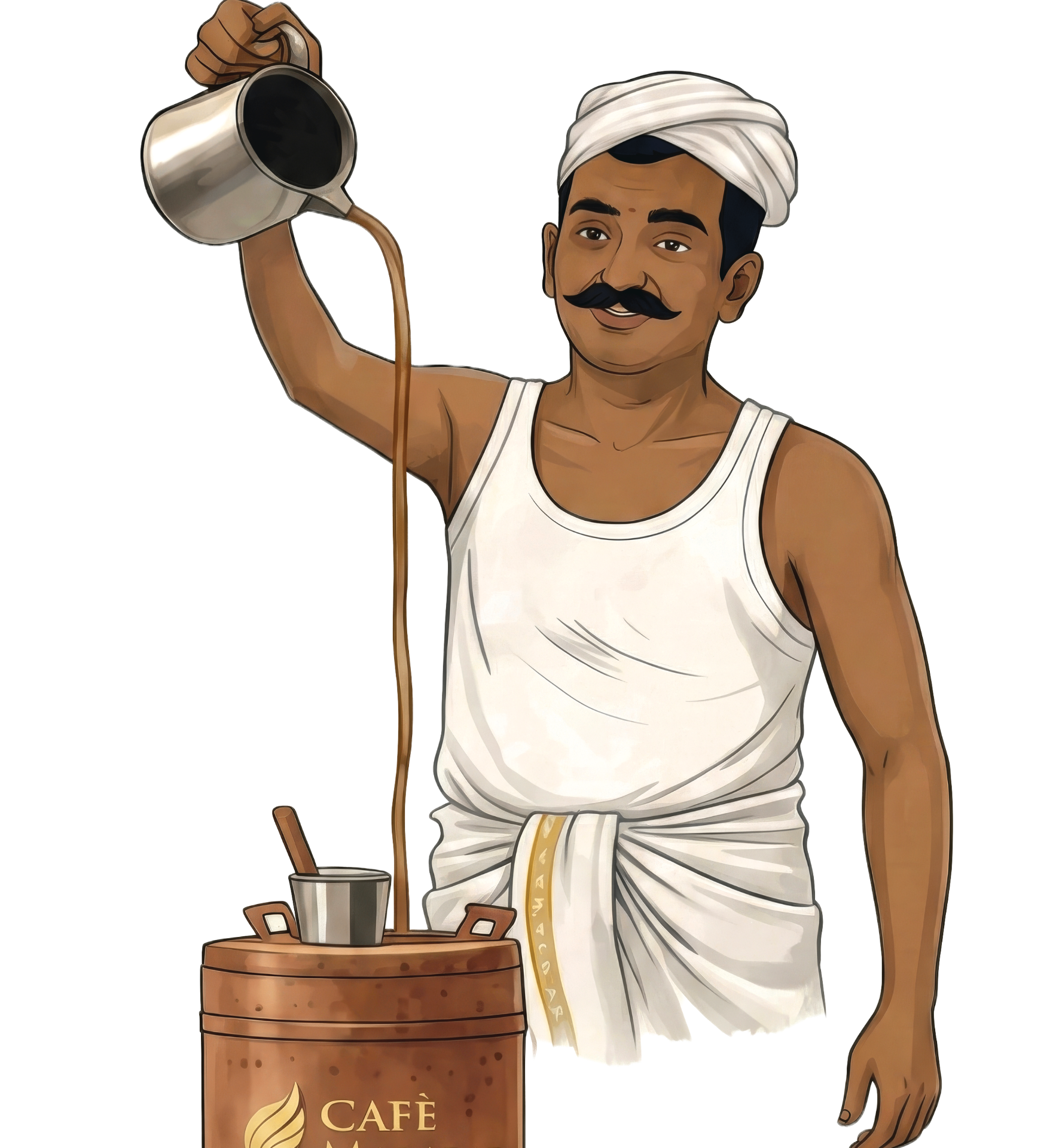
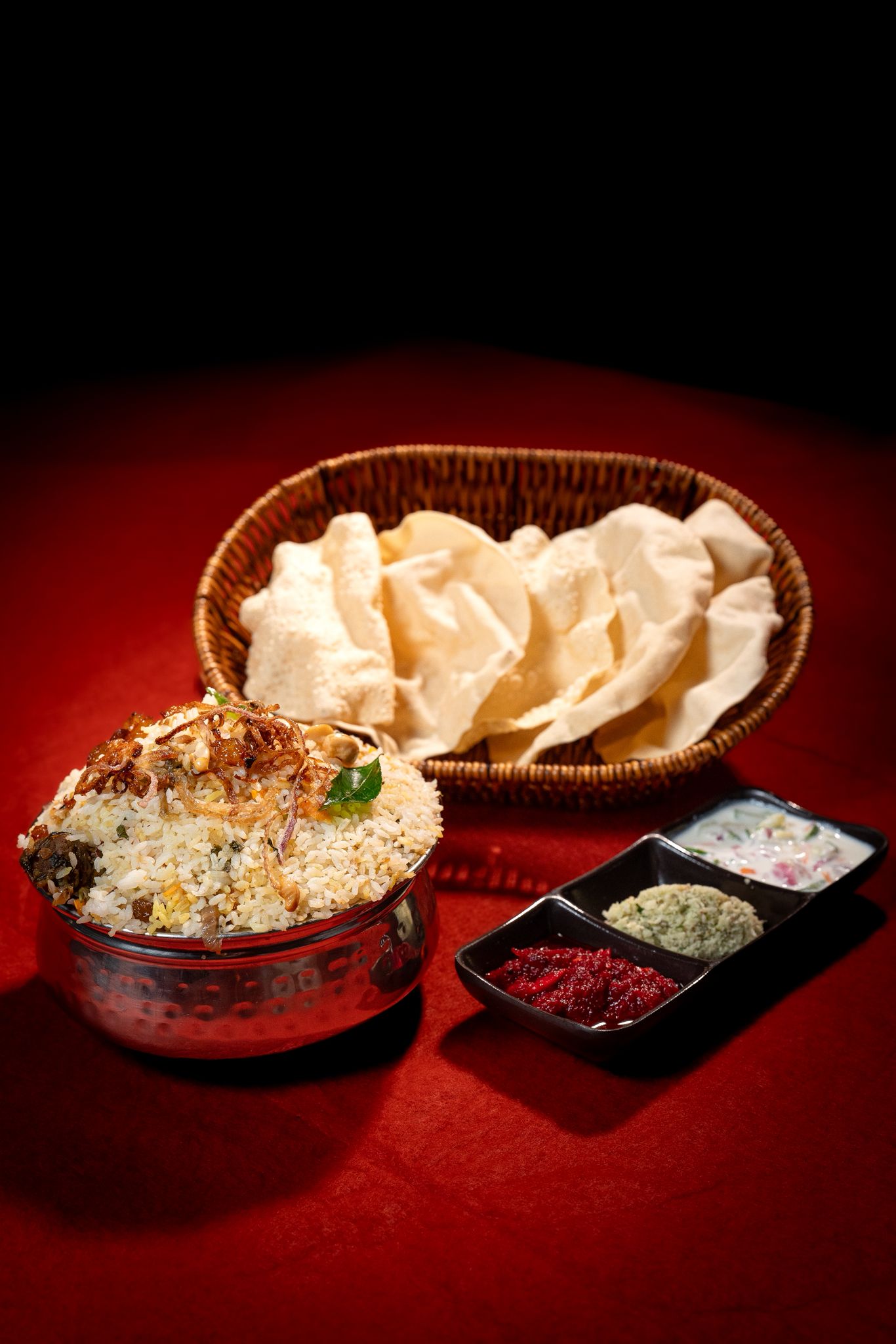
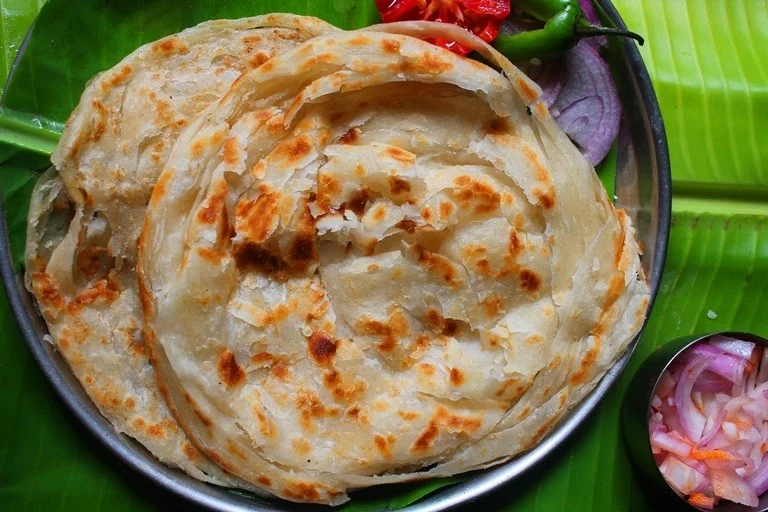
The menu reflects that meeting. From the Sultan Mosque you can smell our Malabar dum biryani — short-grain kaima rice, layered with meat and slow-steamed in a sealed pot the way Thalassery grandmothers have done for generations. Alongside it we plate Arabic-influenced dishes: mandi with saffron rice, beef hummus with honey drizzle, and khubz baked to order. On the tea counter, glasses of pulled 'meter chaya' rise and fall the way they do in Kozhikode's roadside kadas.
It's a small building on an old street. But every plate we send out carries a bit of that longer story — of Malabar sailors, Arab traders, a colonial city plan, and a spice route that never quite closed. When you sit down to eat with us, you're not just having dinner on Arab Street. You're eating at the exact seam where two coasts have been trading flavours for four hundred years.
Come taste it
Ready to eat with us?
Explore the full Malabar menu or WhatsApp us to reserve a table at 142 Arab Street.
Or call +65 8133 5071