What Is a Chaya Kada? Kerala's Beloved Tea Shop Tradition
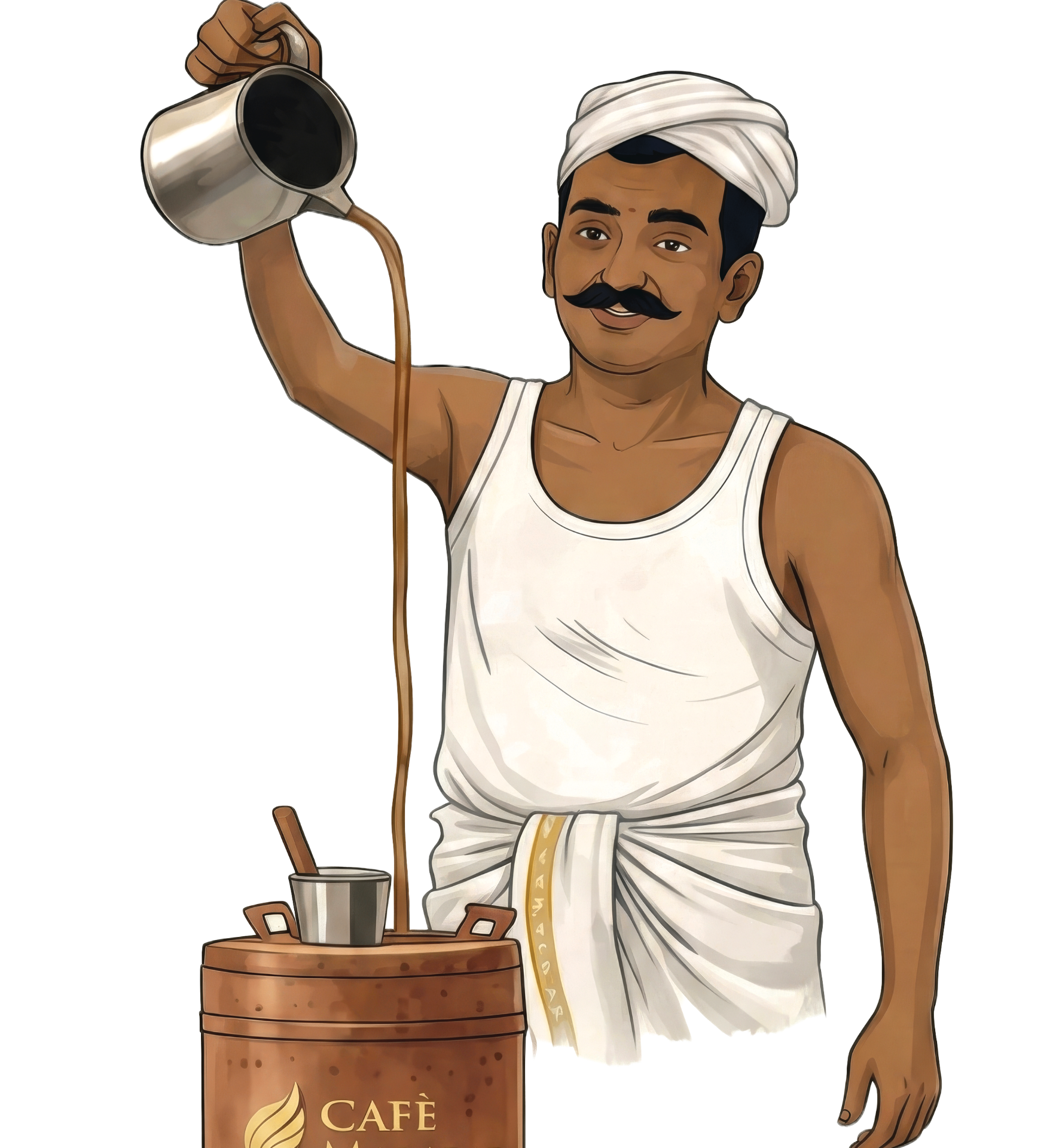
In Kerala, before the day begins, someone is already at the chaya kada. The word simply means 'tea shop' in Malayalam, but that translation misses everything. A chaya kada is the neighbourhood's living room, the news wire, the political forum and the breakfast counter — all in a tin-roofed room lit by a single yellow bulb and the blue flame of a kerosene stove.
The centrepiece is always the tea. Kerala chaya is strong Assam or Nilgiri dust brewed with milk, sugar and a little cardamom or ginger, and then — the part travellers never forget — 'pulled'. The chaya-wallah lifts one battered aluminium jug high above his head and pours a thin amber stream into a second jug held down at his waist. Back and forth, sometimes a meter apart, until the tea foams like a cappuccino and cools to the exact drinking temperature. This is meter chaya, and it is as much showmanship as science: the aeration softens the tannins and gives Kerala tea its signature velvet mouthfeel.
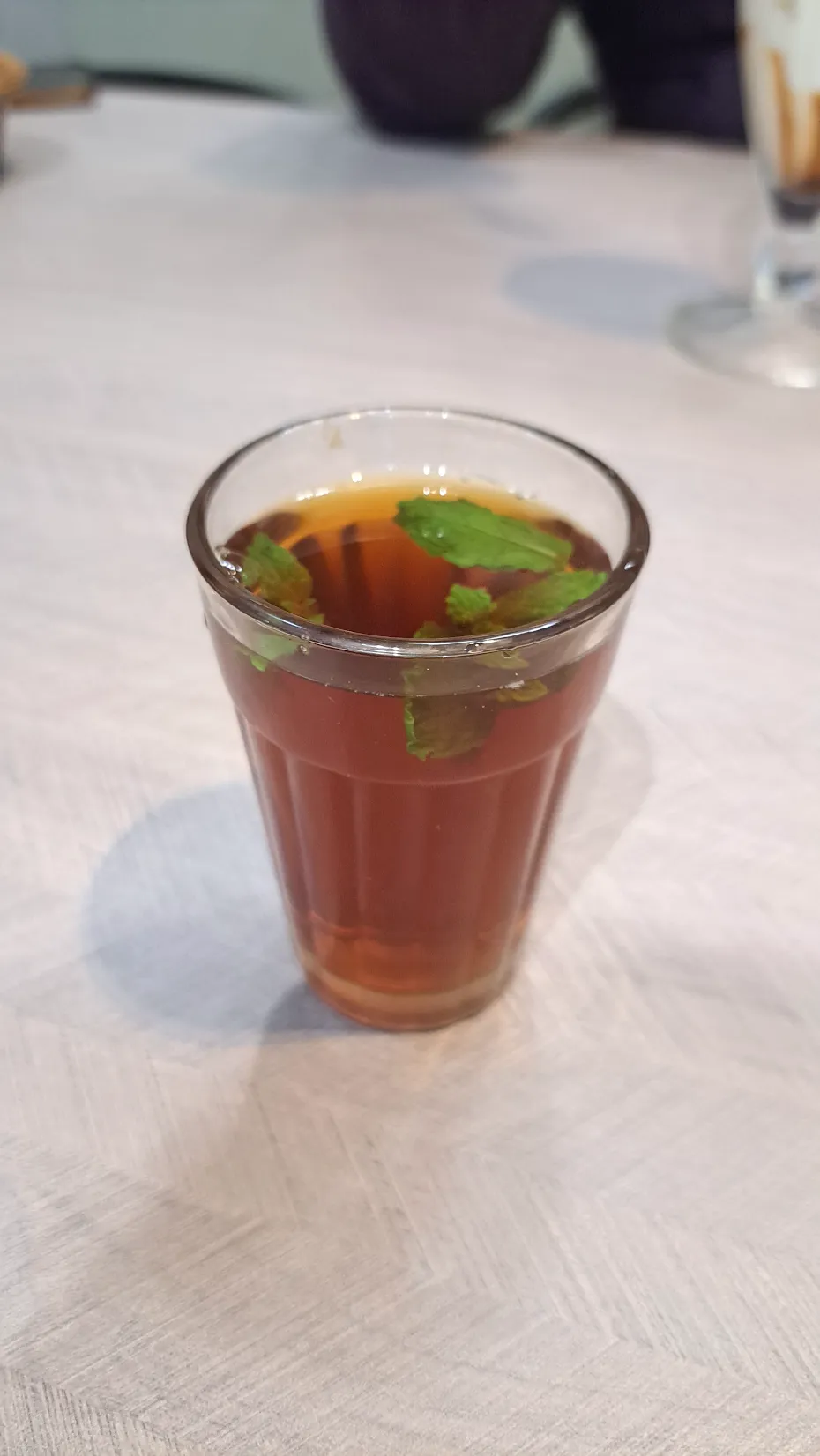
Not everyone drinks their tea milky. On the counter you'll see a jar of Sulaimani, the black spiced tea Malabar Muslims serve after heavy meals — lime, clove, cardamom, sometimes a curl of dried ginger, cutting through the richness of biryani. In the same window, karak chai holds the Arabian side of the family: darker, sweeter, thick with evaporated milk, the drink that migrated home with sailors who worked the Gulf and never quite gave up the habit.
And then there is Avil Milk, a Malabar afternoon in a glass. Beaten rice (avil, or poha) is soaked in cold milk with rose syrup, sugar, cashews, raisins and a scoop of vanilla ice cream, and served with a long spoon so you can chase the softened flakes around the bottom. It began as a summer treat in the Kozhikode bazaars and has now travelled everywhere the Malabar diaspora has.
But a chaya kada is never only about drinks. On the counter beside the jugs sit steel trays of pazham pori (banana fritters), unniyappam, sukhiyan, uzhunnu vada and, if you're lucky, a fresh stack of pathiri or parotta. These aren't menu items so much as inevitabilities — you point, and they arrive on a small stainless-steel plate with a smile.
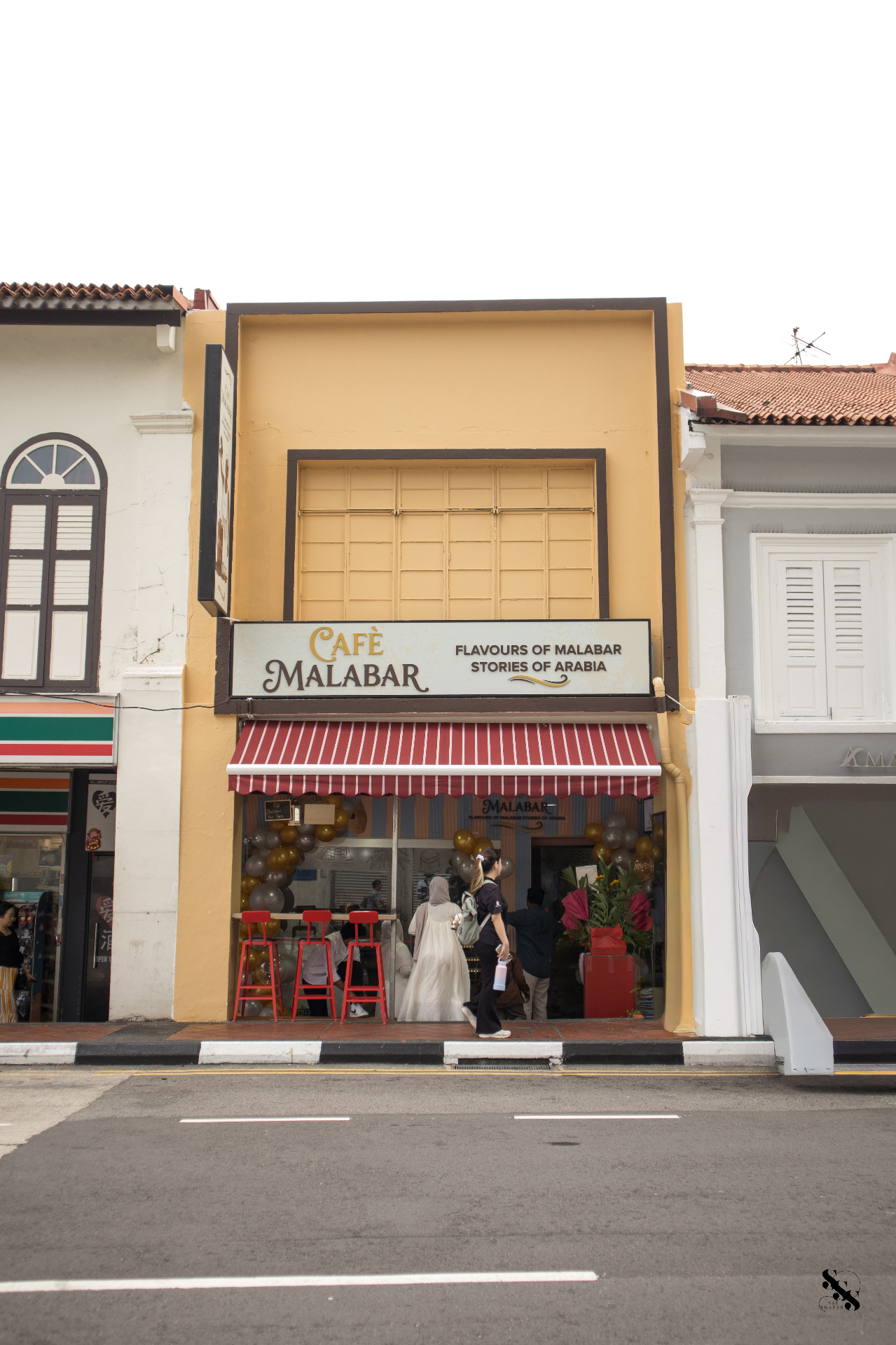
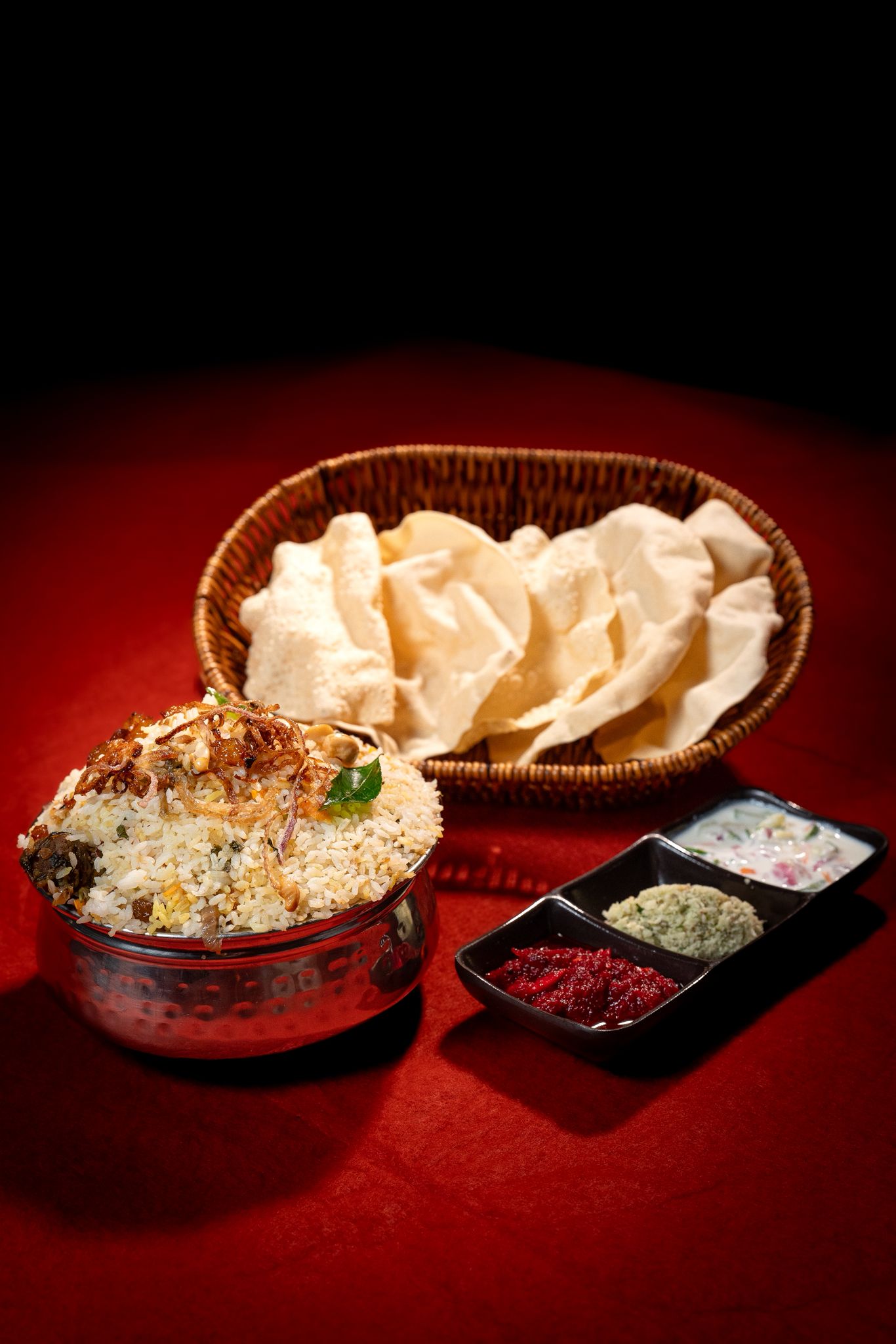
At Café Malabar in Singapore, we built our own Chaya Kada corner because the tea shop is inseparable from the food. You can order a Signature Dum Biryani and finish with a Sulaimani, or drop in mid-afternoon for a pulled chaya and a plate of banana fritters the way a Kozhikode office worker would. The counter is deliberately low, the tea is pulled in front of you, and the menu is short: chaya, karak, Sulaimani, Avil Milk, falooda, and whatever the pastry cook felt like frying that morning.
You don't need to know any of the history to enjoy it. But the next time you sit at our tea counter and watch the amber stream fly through the air, know that the same theatre is playing out, at this exact moment, in a thousand tin-roofed rooms across Kerala. That's the point of a chaya kada — the ritual is the same, everywhere it lands.
Come taste it
Ready to eat with us?
Explore the full Malabar menu or WhatsApp us to reserve a table at 142 Arab Street.
Or call +65 8133 5071