Sulaimani vs Karak: Two Teas, Two Coasts, One Counter
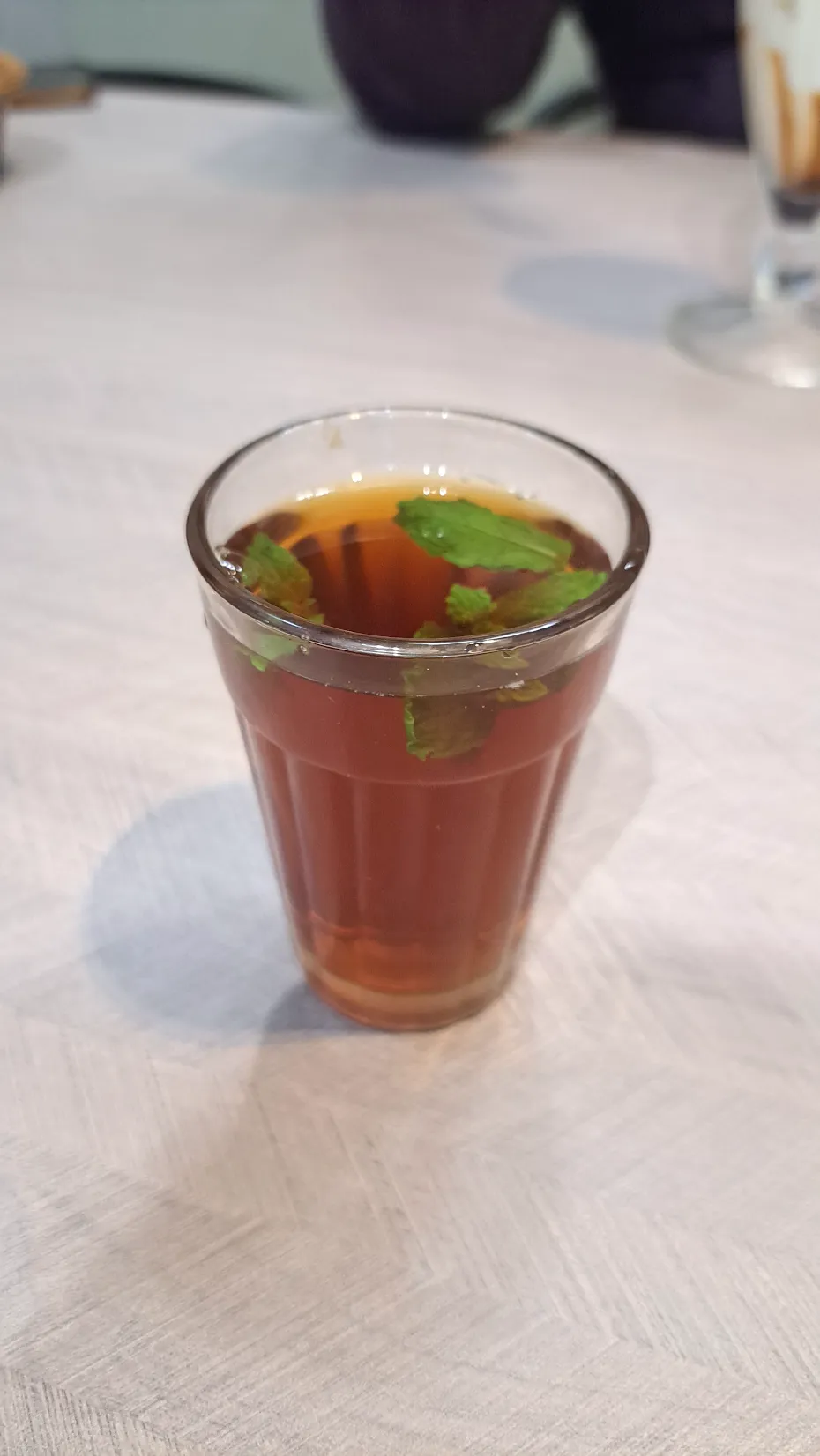
Walk up to the chaya counter at Café Malabar and there are two jars on the back shelf that look almost nothing alike. One holds a pale, straw-coloured liquid; the other, something the colour of caramel with a skin of foam on top. Both are called 'tea' in English. In Malayalam they have two entirely different names — Sulaimani and Karak — and they belong to two different sides of the same trade route.
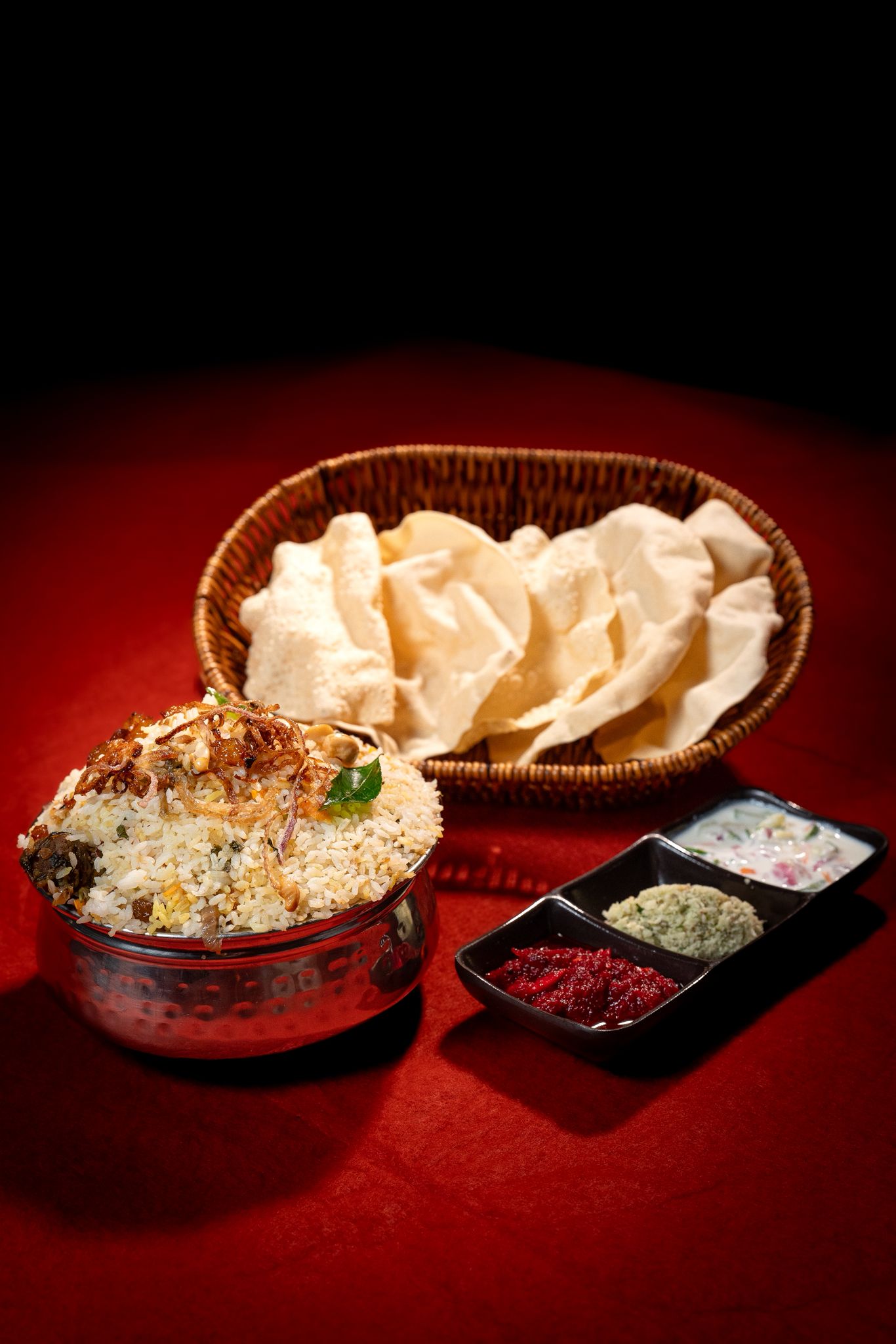
Sulaimani is the drink of the Malabar Muslim household. It's a black tea, brewed strong with a slice of lemon, a broken clove, a cracked cardamom pod, and sometimes a curl of dried ginger. No milk. A spoon of sugar, or sometimes honey. Served in small glasses at the end of a meal, it does two jobs at once: it cuts through the ghee of a heavy biryani, and it settles the stomach in the way any digestif is supposed to. In Kozhikode a proper feast never ends without a Sulaimani, and any host who forgets is quietly embarrassed for weeks afterwards.
Karak is the drink of the docks. Its home is the Gulf — Kuwait, Qatar, the UAE — where South Asian migrant workers built an entire café culture around a single style of tea: black loose leaves boiled hard with evaporated milk, sugar and pounded green cardamom, then strained into tiny paper cups. 'Karak' in Hindi and Urdu simply means 'strong'. The tea is dark, thick enough to coat a spoon, and sweet enough that one small cup carries you through a whole shift.
The two drinks reveal something about the coast that made them. Sulaimani is a household drink — quiet, digestive, drunk sitting down. Karak is a public-space drink — loud, energetic, drunk standing up on the way to somewhere. Malabar sailors who worked the Gulf routes in the 20th century brought both traditions home with them, which is why any real chaya kada in Kerala now sells both.
At Café Malabar we serve them the way our grandmothers and uncles did, in their proper glasses. Sulaimani comes in a small stemless glass, hot enough that you hold it by the rim. Karak comes in a slightly taller glass with a little foam on top and a small side plate for the accompanying biscuit. Neither is more authentic than the other — they're both Malabar, arriving from opposite ends of the same sea.
If you've just eaten a biryani, order the Sulaimani. If it's 4pm and raining outside, order the Karak. If you can't decide, we'll bring you both — that's how we drink them ourselves.
Key facts
- Sulaimani style
- Clear black tea, citrus + clove
- Karak style
- Thick, milky, cardamom-heavy
- When to drink Sulaimani
- After a heavy meal — it cuts through
- When to drink Karak
- Morning, mid-afternoon, or a cold day
Frequently asked
What is Sulaimani tea?
Sulaimani is a Malabar Muslim black tea served without milk, brewed with lime, clove and cardamom. It's usually drunk after a heavy meal to aid digestion.
What's the difference between karak and masala chai?
Karak is a Gulf-style tea heavy on evaporated milk and cardamom, boiled hard until thick. Masala chai is an Indian household drink with a wider spice blend (ginger, cinnamon, pepper) and fresh milk.
Is Sulaimani tea caffeinated?
Yes — it's brewed from strong black tea leaves. The lime and spice mellow the caffeine's edge but don't remove it.
Do you serve both at Café Malabar?
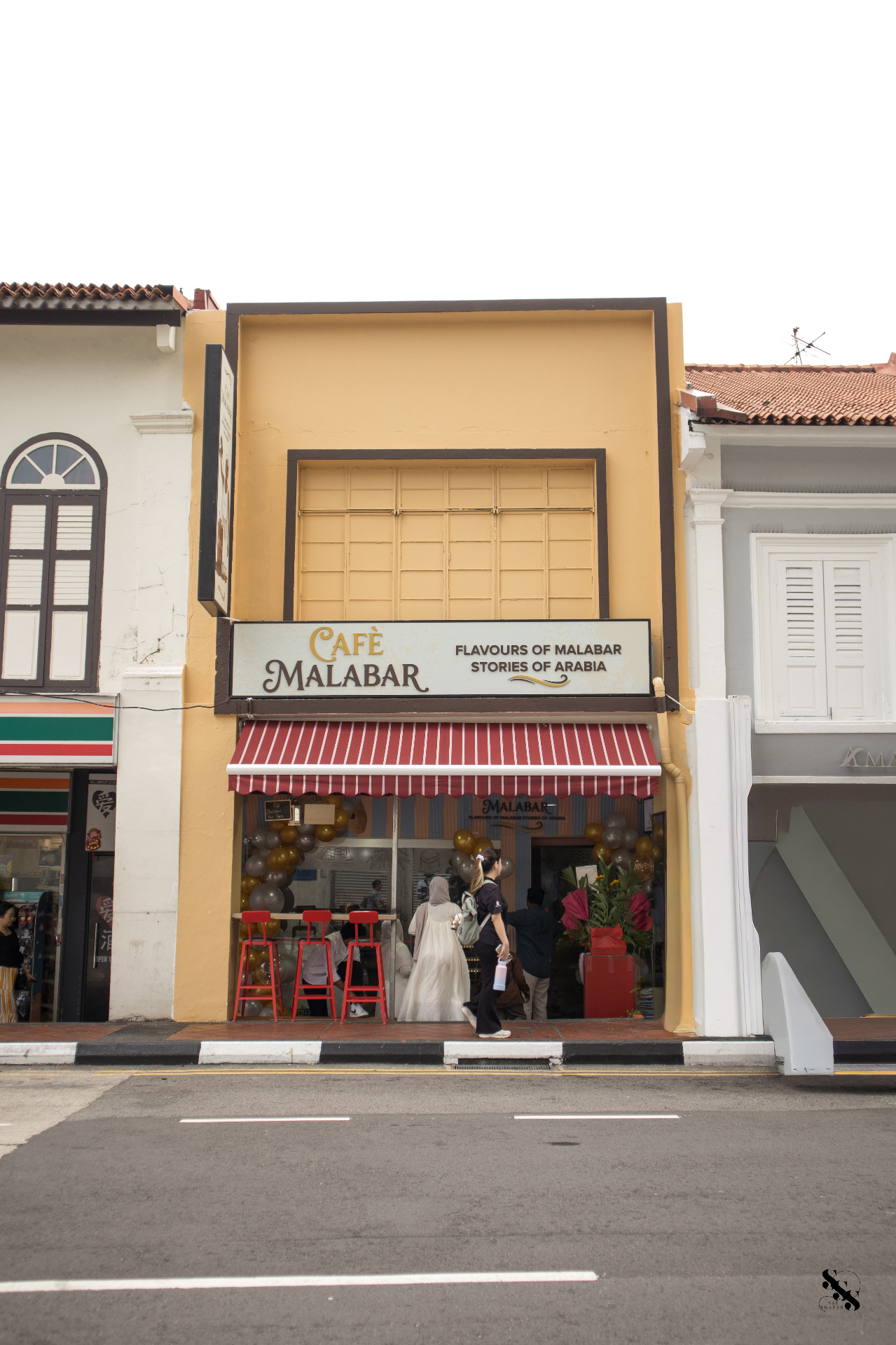
Yes. Both Sulaimani and Karak are on the tea counter at 142 Arab Street, Singapore, alongside meter chaya and Avil Milk.
Come taste it
Ready to eat with us?
Explore the full Malabar menu or WhatsApp us to reserve a table at 142 Arab Street.
Or call +65 8133 5071